Not all situations are black and white
by Diocese of Des Moines | July 13, 2026
By Matthew Johll, Diocese of Des Moines Seminarian
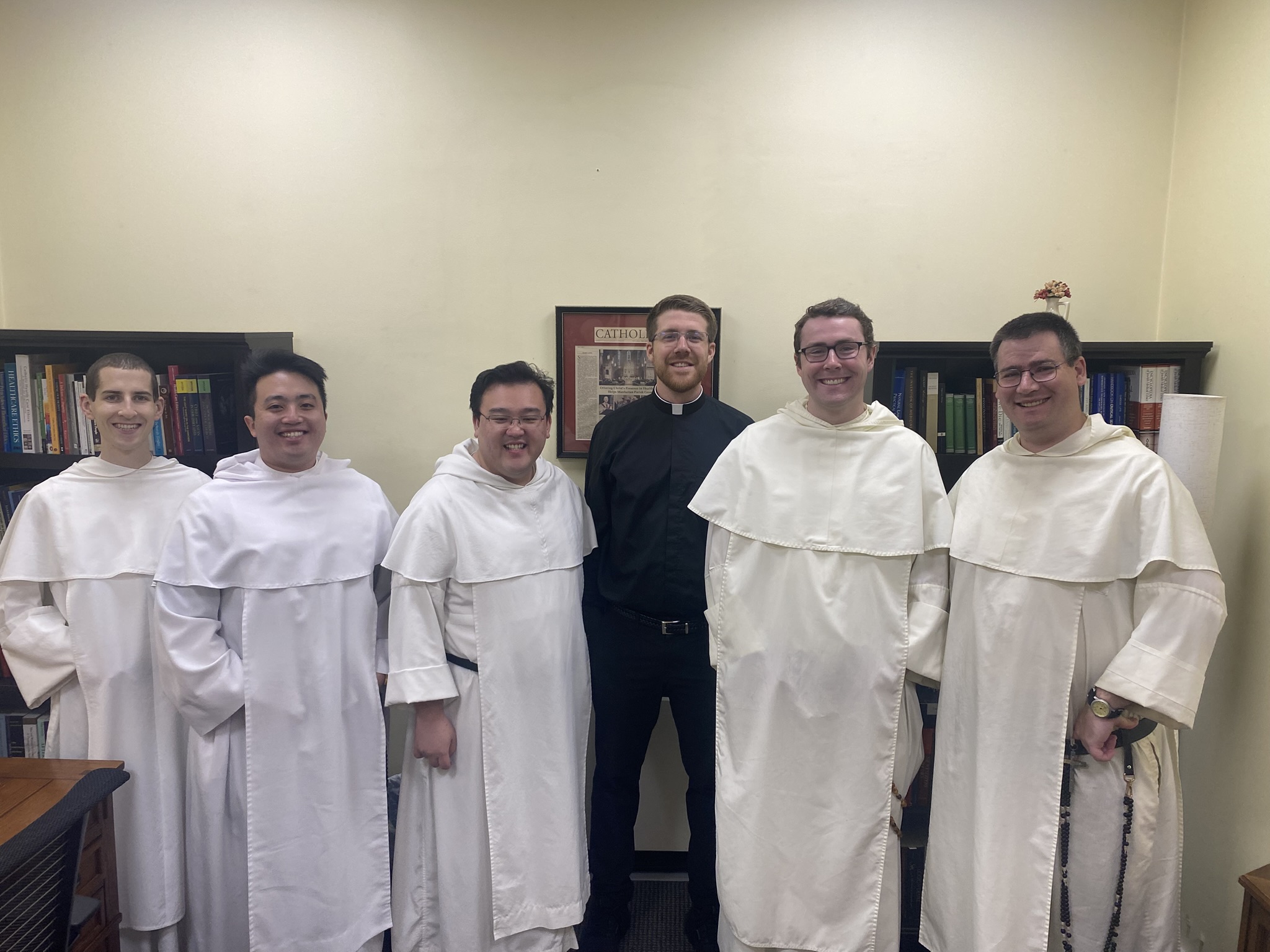
When I began telling people about my upcoming hospital chaplain internship for the summer, I was told several times, “That is truly a ministry of presence.” I would smile and agree, although I found the phrase a little cliché. I was more excited about having opportunities to discuss bioethics and pastoral care with the Dominican friars, who generously offer a place in their program for one or two seminarians from St. Joseph’s Seminary in Yonkers, NY (“Dunwoodie”). Going through the eight-week internship while assigned to Memorial Sloan Kettering Cancer Center in Manhattan, I have begun to have a new understanding of what “presence” really means. After all, what is the Incarnation if not the Lord Jesus becoming present in the world, and thereby in our lives? Jesus’ “dwelling among us” is not a presence for the sake of itself, but one for the redemption of mankind (Jn 1:14). The same is true in our witness to others. We do not corral people to the sacraments of salvation, but rather present ourselves as an opportunity for them to encounter Jesus and his Church. In the hospital, I have been given many opportunities to grow in listening, and to shine the light of Christ into dark places—more often than not, finding an increase in my own faith at the witness of others.
Three times a week the interns and formators meet to discuss both general and specific situations unique to hospital ministry, including the ethics involved in beginning- and end-of-life care. As a seminarian two years away from priesthood, I cannot yet hear confessions or give anointing of the sick. Thus, visiting patients Monday through Friday typically entails conversations, prayers, the distribution of Holy Communion, and referrals if a person desires the healing graces of the aforementioned sacraments. These are small corporal works of mercy that I highly encourage everyone to undertake, particularly those with relatives in a care facility.
Not infrequently, the “why?” question of suffering will arise. St. John Paul II writes in his apostolic letter, On the Christian Meaning of Human Suffering, that “Christ does not answer directly and he does not answer in the abstract this human questioning about the meaning of suffering…. Gradually, as the individual takes up his cross, spiritually uniting himself to the Cross of Christ, the salvific meaning of suffering is revealed before him” (SD 27). In a world where we ask AI a question and are then given immediate results, we might find such an “answer” frustrating.
However, in the hospital I have discovered that the people who have the most peace are those who have allowed Christ, and others, to help them in surrendering to this mystery. There is a palpable hope and understanding that we look beyond our own horizon towards a joy that never ends. When Jesus ascended into heaven, in the flesh, he paved the way for the resurrection of all who are wounded and afflicted. This summer has helped me to recognize that if we are simply present at the foot of the cross, sometimes, that is enough.